

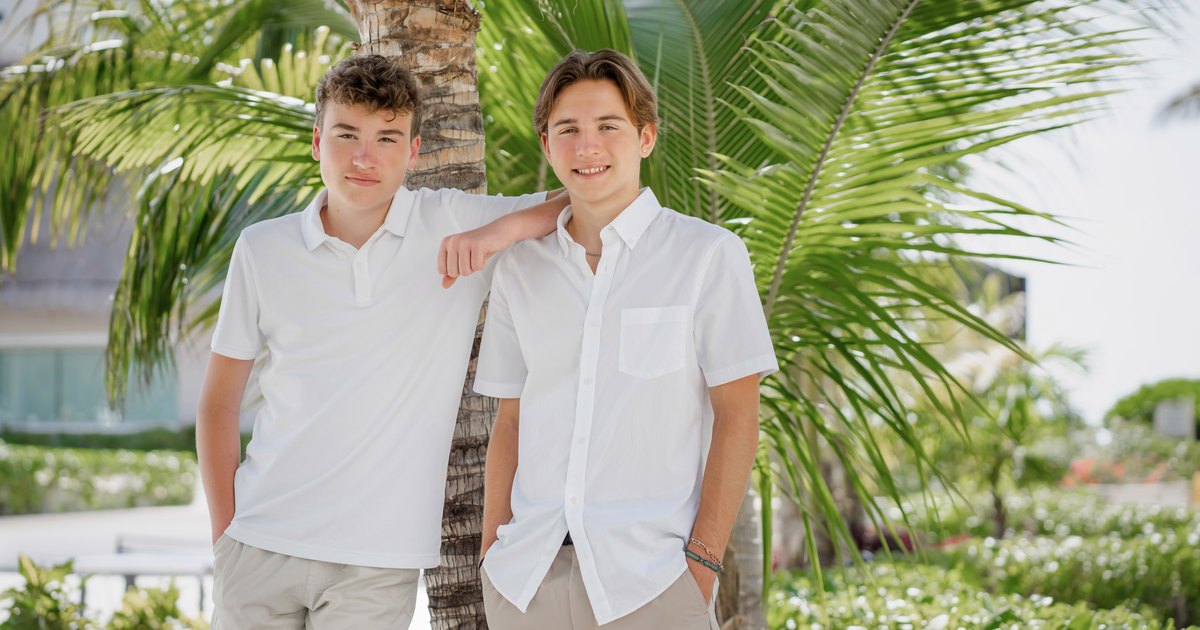
Golden hour is the window of roughly 45 to 60 minutes before sunset, and again after sunrise, when low sun produces the warm, directional light behind every great resort photo in Mexico. In Cancún it begins around 4:45 PM in winter, with summer sunsets as late as 7:30 PM, and the final 20 minutes turn a deep amber bordering on copper.
There is a reason professional photographers worldwide organize their entire schedules around one specific window of the day. Not because it is convenient, it is often the opposite, but because the light that appears in that narrow window transforms ordinary photographs into something that stops people mid-scroll. In Mexico, where the coastline, the architecture, and the atmosphere already provide extraordinary raw material, golden hour elevates everything to a level that no amount of editing can replicate after the fact.
What Is Golden Hour and Why It Transforms Photos
Golden hour refers to the period approximately 45 to 60 minutes before sunset, and again after sunrise, when the sun sits low on the horizon and produces light that is fundamentally different from every other time of day. The technical explanation involves the sun's rays traveling through a thicker layer of atmosphere at low angles, which scatters blue wavelengths and allows warm reds, oranges, and yellows to dominate. The practical result is light that wraps around faces like a warm embrace.
During golden hour, four things happen simultaneously that no other lighting condition can reproduce. First, the color temperature shifts warm, bathing everything in rich amber and gold tones that make skin look healthy, radiant, and smooth, regardless of complexion. Second, the angle of the light creates long, dramatic shadows that add depth and dimension to every frame. Third, the intensity drops just enough that subjects can face the light without squinting, which means relaxed, natural expressions rather than the tight, uncomfortable faces that midday sun forces. Fourth, the quality of the light itself becomes soft and directional, harsh enough to sculpt faces with beautiful highlight-and-shadow transitions, but gentle enough to avoid the unforgiving contrast of overhead sun.
The difference is not subtle. Side-by-side comparisons of the same person, on the same beach, at noon versus golden hour reveal what looks like two entirely different locations. The noon image appears flat, washed-out, and harsh. The golden hour image looks cinematic, dimensional, and alive. This is not an opinion or a stylistic preference, it is physics. And it is the single most important variable in whether your couples photos in Mexico look like professional editorial work or overexposed vacation snapshots.

Golden Hour Times in Mexico by Season
Mexico spans multiple time zones and coastlines, and the exact timing of golden hour shifts meaningfully throughout the year. Knowing these windows, not approximately, but precisely, is the difference between catching the best light and arriving five minutes too late.
Cancún and Riviera Maya (East Coast)
The Caribbean coast of Mexico faces east, which means sunrise over the ocean is the signature shot, the sun literally rises out of the turquoise water. Sunset occurs over the land and lagoon side, which produces a different but equally beautiful warmth that backlights the beach.
- Winter (December – February): Sunrise around 6:45 – 7:00 AM, sunset around 5:30 – 5:45 PM. Golden hour begins approximately 4:45 PM. Days are shorter, so the golden window feels compressed but intensely warm.
- Spring (March – May): Sunrise around 6:15 – 6:45 AM, sunset around 6:15 – 7:00 PM. The most versatile season for scheduling, longer golden hours and comfortable temperatures.
- Summer (June – August): Sunrise around 6:00 – 6:15 AM, sunset around 7:15 – 7:30 PM. The latest sunsets of the year provide extended golden hour windows, though humidity can add a soft haze to the light.
- Fall (September – November): Sunrise around 6:15 – 6:45 AM, sunset around 5:45 – 6:30 PM. Post-rainy-season skies often produce the most dramatic cloud formations and color gradients.
Los Cabos (West Coast, Pacific Side)
Los Cabos faces the Pacific Ocean to the west, making it the premier sunset destination in Mexico. The sun drops directly into the ocean, creating the classic postcard silhouette that defines Cabo photography. The light quality during the final 20 minutes before sunset is extraordinary, a deep amber that borders on copper.
- Winter (December – February): Sunset around 5:45 – 6:15 PM. Golden hour begins approximately 5:00 PM.
- Spring (March – May): Sunset around 6:30 – 7:30 PM. The window extends noticeably as days lengthen.
- Summer (June – August): Sunset around 7:45 – 8:00 PM. The latest and longest golden hours, with extended twilight that creates a double bonus of golden hour followed by blue hour.
- Fall (September – November): Sunset around 6:00 – 7:00 PM. Dramatic cloud structures from the hurricane season (well offshore) regularly produce the most vivid sunset colors of the year.
Our team tracks these shifts for every session. When we recommend a start time, it accounts for the exact date, the specific location's orientation, and the time needed to settle in before the peak light arrives. A Cancún photographer who understands these patterns can position you in the right spot at the right second, and that precision shows in the final images.
Sunrise vs Sunset Sessions: Pros and Cons
Both ends of the day produce golden hour light with identical color temperature and quality. The difference is entirely practical, and those practical differences matter more than most people expect.
Sunrise Sessions
- Empty beaches: At 6:00 AM, even the most popular resort beaches are deserted. No towels, no umbrellas, no strangers wandering into the background. The beach belongs entirely to you.
- Cooler temperatures: In summer months especially, the morning air is significantly more comfortable than late afternoon. Less sweat, less humidity-frizz, more energy.
- Unique sky colors: Sunrise skies in Cancún often produce soft pastels, lavender, rose, peach, that are distinct from the deeper amber tones of sunset.
- The challenge: A 6:00 AM beach arrival means waking up by 4:30 AM for hair, makeup, and travel. For families with young children, this is often unrealistic. For couples who were out until midnight, it requires genuine commitment.
Sunset Sessions
- Natural energy: By late afternoon, most people have been awake for hours, have eaten, and are settled into vacation mode. The body language is relaxed and genuine, no morning stiffness or sleepy eyes.
- Time to prepare: An evening session allows a full day for hair appointments, outfit changes, and mental preparation. There is no rush.
- Warmer tones: Sunset light in the tropics tends to run slightly warmer and more amber than sunrise, producing richer skin tones and a more dramatic overall mood.
- Better for children: Young children are generally more cooperative and expressive in the late afternoon than at dawn. Their energy is natural rather than forced.
- The challenge: Beaches are busier. A skilled photographer manages this by choosing less trafficked stretches and using angle and focal length to isolate subjects, but total solitude is rare at sunset.
For couples without children, the choice is genuinely personal, both options produce extraordinary results. For families with young children, sunset is almost always the more reliable choice. Our team discusses timing during every pre-session consultation and makes a specific recommendation based on your group, your resort, and the date of your session.
The Blue Hour Bonus
Most people assume the session ends when the sun disappears below the horizon. In reality, some of the most dramatic images of the entire session happen in the 20 minutes immediately after sunset, a window photographers call "blue hour."
During blue hour, the sky transitions from warm amber through vivid pink, magenta, and violet, eventually deepening into a rich, saturated blue. The light is diffused and even, there are no shadows, no harsh highlights, just pure, glowing color overhead. The ocean reflects these sky tones, creating a surreal, almost otherworldly canvas that makes silhouettes look like fine art and close-up portraits feel impossibly cinematic.
Silhouettes during blue hour are particularly powerful. With the vivid sky as a backdrop and subjects rendered as clean, dark shapes, the resulting images are graphic and editorial, the kind of photographs that become large-format prints or album covers. Couples standing close, foreheads touching, outlined against a magenta sky, these are images that define a session.
The technical challenge of blue hour is that light drops rapidly. Exposure settings change every 60 seconds. Autofocus becomes less reliable. A photographer who has shot hundreds of blue-hour sessions in the same region handles these shifts instinctively, it is not the time for experimentation or learning on the job. When our team builds a session timeline, we always include blue hour as a deliberate final chapter rather than an afterthought.

What Happens If Your Session Is at Noon
Sometimes scheduling constraints are real. You arrive on a Tuesday, your only free afternoon is Wednesday, and you leave Thursday morning. If noon is the only option, understanding what the light will do, and how a professional manages it, prevents both disappointment and wasted time.
Between 11:00 AM and 3:00 PM in tropical Mexico, the sun sits nearly directly overhead. This creates several specific problems: deep shadows under the eyes and chin (sometimes called "raccoon eyes"), hot spots on the forehead and nose where oil and sweat catch direct light, squinting as subjects try to face the sun, and an overall flat, high-contrast quality that makes colors appear washed out and skin appear uneven.
None of these problems are unsolvable. A photographer experienced in tropical conditions has a toolkit of strategies for midday light.
Open Shade
The simplest and most effective midday strategy. Moving into the shade of a resort corridor, a palm grove, or a covered terrace eliminates direct sun entirely while retaining soft, even illumination from the open sky. The light in open shade is actually beautiful, neutral in color, gentle on skin, and easy to work with. Many of the strongest midday images happen in architectural spaces that provide natural overhead cover with open sides.
Backlighting
Positioning subjects with the sun behind them creates a luminous rim of light around hair and shoulders while the face falls into soft, even shadow. Backlit portraits have a dreamy, ethereal quality that can be stunning even at noon. The technique requires precise exposure control, the camera must expose for the shadowed face rather than the bright background, but the results can rival golden hour when executed well.
Indoor and Cenote Options
Cenotes are actually at their most photogenic at midday. When the sun is directly overhead, light beams penetrate through the cenote's opening and illuminate the turquoise water in concentrated shafts. The resulting images are otherworldly. Similarly, resort interiors, lobbies, suites, terraces with filtered light, offer controlled environments where the time of day becomes irrelevant. A Riviera Maya photographer knows which cenotes peak at which hour and can build a midday session around these unique environments.
How Weather Affects Golden Hour
Weather anxiety is the most common concern our team hears from clients: "What if it is cloudy? What if it rains? Will we need to reschedule?" The answers are almost always more reassuring than people expect.
Overcast Skies
A solid cloud layer acts as a giant natural softbox, diffusing sunlight evenly across the entire sky. The result is beautifully even illumination with no harsh shadows, no squinting, and rich, saturated colors throughout the scene. Overcast light is not inferior to golden hour, it is different. It produces a moody, editorial quality with deep greens, vivid turquoise water, and creamy skin tones. Many professional photographers actively prefer overcast conditions for portraits because the consistency makes every angle and every position equally flattering.
Rain
Brief afternoon rain showers are a fact of life in Caribbean Mexico, particularly between June and October. They typically last 20 to 45 minutes, arrive predictably in the mid-afternoon, and clear well before sunset. The period immediately after rain is often the most photographically spectacular window of the day. The atmosphere has been cleaned, colors are hyper-saturated, and the post-storm sky frequently produces the most vivid sunset gradients of the week, deep coral, amber, and violet that a clear sky simply cannot match.
If rain occurs during a session, our team adapts in real time: sheltering briefly under resort architecture, shooting through rain for dramatic effect (rain backlit by golden light produces a luminous veil), or simply waiting 30 minutes for the sky to clear and deliver its post-storm reward.
Humidity and Haze
High humidity, common in summer months along the Riviera Maya, creates a soft atmospheric haze that diffuses golden hour light even further. Rather than the crisp, defined light of a dry evening, humid golden hours produce a dreamy, diffused glow that wraps around everything. Hair catches light differently. Skin appears softer. The overall mood shifts from sharp editorial to something closer to fine art. It is a different aesthetic, not a lesser one, and our team adjusts editing style accordingly to enhance rather than fight the natural atmosphere.
Resort-Specific Golden Hour Tips
Not every resort photographs the same at every time of day. The orientation of the building, the direction the beach faces, and the surrounding landscape all determine when the optimal light arrives at your specific property. Here are the patterns our team has mapped across hundreds of sessions.
East-Facing Cancún Beaches, Sunrise Is Your Hero Shot
The entire Hotel Zone in Cancún faces the Caribbean to the east. This means sunrise over the ocean is the defining photographic moment, the sun rises directly out of the turquoise water, casting warm, low-angle light directly onto the beach. For resort guests at properties like the JW Marriott, Ritz-Carlton, Hyatt Zilara, or any property along Boulevard Kukulcán, a sunrise session on the resort beach produces front-lit, warm-toned images with the Caribbean as the backdrop. Sunset sessions still work beautifully, the warm backlight from the west creates gorgeous silhouettes and rim-lit portraits, but for front-lit golden glow, sunrise is the east coast advantage. A seasoned Cancún photographer builds session plans around this orientation.
Los Cabos Pacific Side, Sunset Over the Ocean
The Pacific-facing resorts in Los Cabos, Waldorf Astoria Pedregal, The Cape, Solaz, Montage Los Cabos, have the opposite advantage. Sunset drops directly into the Pacific, and the final 30 minutes of light bathe the beach in deep amber and copper tones that are unique to this coastline. The Arch of Cabo San Lucas (El Arco) becomes a dramatic silhouette element in the background. For sheer sunset drama, no location in Mexico competes with the Pacific coast of Baja.
Cenotes, Midday Light Beams
Open and semi-open cenotes in the Riviera Maya receive direct overhead sunlight between approximately 11:00 AM and 1:00 PM, depending on their specific opening and the time of year. During this narrow window, concentrated beams of light penetrate through the rock opening and strike the water surface, creating the iconic "light beam" photographs that define cenote imagery. Outside this window, cenotes are still beautiful, the diffused light creates moody, atmospheric conditions, but the dramatic light shafts are exclusively a midday phenomenon. Our team maintains a database of cenote light schedules to ensure we arrive at the optimal moment.
Resort Interiors and Pools
Infinity pools photograph best when the sun is low enough to create reflections on the water surface without blowing out the exposure. This typically means the final 20 minutes of golden hour or the first 10 minutes of blue hour. Resort corridors and lobbies with east-facing windows receive beautiful directional morning light. West-facing suites and terraces capture the warmest afternoon tones. Knowing these micro-patterns within a specific property is the advantage of working with a photographer who has shot there before.

How to Prepare for a Golden Hour Session
Golden hour waits for no one. The window is finite, roughly 45 minutes of peak light, and every minute spent adjusting outfits, applying last-minute makeup, or driving to the location is a minute of irreplaceable light lost. Preparation is not about being rigid or stressed. It is about arriving calm, camera-ready, and fully present so that every second of that extraordinary light is used for what matters: creating photographs that will outlast the vacation by decades.
Timing Your Arrival
Plan to arrive at the shooting location 30 minutes before golden hour begins. This buffer allows time to park or walk to the specific spot, adjust clothing and hair after the move, take a few test shots to calibrate settings, and settle into the photographer-subject dynamic before the pressure of peak light. If golden hour begins at 6:30 PM, be on location by 6:00 PM. Our team sends a precise schedule 24 hours before every session with exact meeting times and locations.
Sunscreen Application Timing
This is the single most overlooked preparation detail, and it makes a visible difference in photographs. Sunscreen applied within two hours of a session leaves a visible white or oily sheen on skin that catches light unnaturally and appears in photographs as a waxy, reflective coating, particularly on the forehead, nose, and cheekbones. Apply your final coat of sunscreen at least two hours before the session to allow full absorption. If you need UV protection during the session itself, use a matte-finish, mineral-based SPF that absorbs rather than reflects light. Better yet, rely on the fact that golden hour and blue hour UV exposure is minimal, the session will be 60 to 90 minutes of low-angle sun, not a midday beach day.
Hair and Makeup
Schedule any professional hair and makeup to be complete at least 45 minutes before your arrival time. This accounts for touch-ups, travel, and the inevitable last-minute adjustment. For beach sessions, opt for styles that accommodate wind, loose waves, braids, or natural texture hold up far better than rigid updos or blowouts that will lose their shape the moment the ocean breeze arrives. Makeup should be set with spray or powder to withstand humidity. Your photographer is not a hair stylist, and stopping mid-session to fix a windblown strand costs precious golden-hour minutes.
Outfit Changes
If your session includes a wardrobe change, plan where and when it will happen. Changing on a public beach is impractical. A nearby resort restroom, your hotel room (if the session starts at your property), or a parked vehicle with tinted windows are the realistic options. Changing takes 5 to 10 minutes, and that time comes directly out of your shooting window. If you want two looks, consider starting in the more formal outfit (when you are freshest and the light is building) and changing into something more casual for the final golden-to-blue-hour segment when the mood is relaxed.
Mindset
The most important preparation has nothing to do with logistics. It is the decision, made before you arrive, to be fully present. Put the phone away. Stop checking the time. Trust that the photographer is managing the technical details and the schedule. Your only job is to be with the person next to you. The clients who produce the most extraordinary galleries are not the ones with perfect hair or designer outfits. They are the ones who forgot the camera was there by minute ten.