

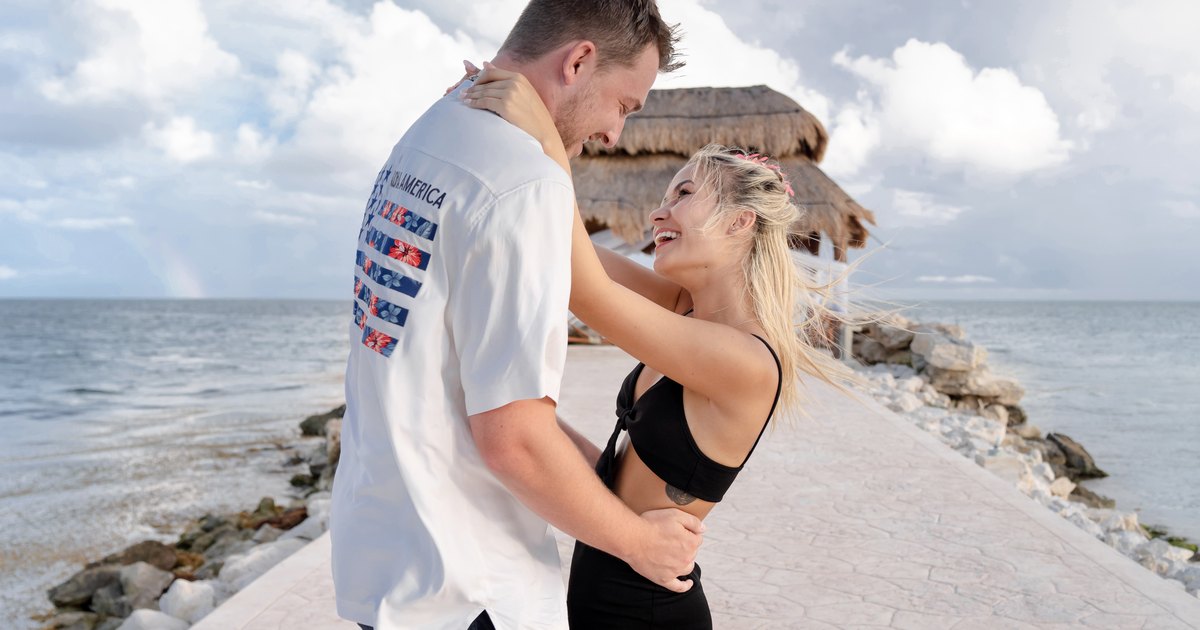
The strongest locations on this 120-kilometer coastline are cenotes such as Dos Ojos, Suytun and Casa Cenote, the calm reflective bay at Akumal, and the ruins at Tulum, Coba and Muyil. Timing decides everything: cenote light beams peak between 10:00 AM and noon, beaches at sunrise or golden hour, ruins in the first hour after opening.
The Riviera Maya is not simply a beautiful place to take photographs, it is a place where the landscape itself collaborates with the photographer. From underground cenotes where shafts of light pierce turquoise water to ancient ruins rising above jungle canopy, this 120-kilometer stretch of Caribbean coastline offers more visual diversity per square mile than almost anywhere else on earth. Our team has spent years mapping every location, every light pattern, and every access point along this coast. This is the guide we wish had existed when we started.
Why Riviera Maya Is Mexico's Most Photogenic Destination
The Riviera Maya possesses something that no other destination in the Americas can replicate: a concentration of dramatically different environments within minutes of each other. You can begin a morning session inside a cathedral-like cenote, drive fifteen minutes to an empty white-sand beach, and finish at a jungle-wrapped archaeological site, all before lunch. That kind of visual range would require days of travel in most countries. Here, it requires a car and a plan.
The light itself is extraordinary. The Yucatan Peninsula sits at a latitude where the sun traces a high arc across the sky, producing long golden hours and a quality of diffused tropical light that flatters skin, saturates color, and creates the kind of natural warmth that photographers in northern climates spend hours trying to replicate in post-production. The Caribbean water shifts between emerald, turquoise, and sapphire depending on depth and time of day, providing a living backdrop that never looks the same twice.
Beyond the natural elements, the Riviera Maya has a built infrastructure that supports photography at a professional level. Luxury resorts with world-class architecture line the coast from Playa del Carmen to Tulum. Boutique hotels with curated interiors offer intimate settings. And the region's deep Mayan heritage provides cultural texture, carved stone, ancient geometry, and a sense of history, that elevates images beyond the generic tropical aesthetic. Whether you are planning a couples session or a destination wedding, the visual possibilities here are virtually limitless.
Top Cenotes for Photography
Cenotes are the signature feature of the Yucatan Peninsula, natural sinkholes formed over millennia as limestone bedrock collapsed to reveal underground rivers. There are more than 6,000 documented cenotes in the region, but only a handful offer the combination of visual drama, accessible light, and logistical feasibility that professional photography demands. These are the ones our team returns to again and again.
Cenote Dos Ojos
Located approximately 20 minutes north of Tulum along the highway, Cenote Dos Ojos is one of the most visually striking semi-open cenotes in the Riviera Maya. The name, "Two Eyes", refers to its twin connected caverns, each with a distinct character. The first eye offers a wide, open pool with stalactites visible above the waterline, while the second is darker and more dramatic, with light filtering through a narrow overhead opening that creates a natural spotlight effect on the water below. The best photography window is between 10:00 AM and 12:00 PM, when the sun is high enough to send defined beams of light into the cavern. Early arrival is essential, this cenote draws significant visitor traffic by midday. Private access can be arranged for an additional fee, and our team recommends it for any session requiring uninterrupted shooting time.
Cenote Suytun
Perhaps the most recognized cenote on social media, and for good reason. Cenote Suytun features a perfectly circular opening in its domed ceiling that sends a single column of light down onto a round stone platform extending into the water. The visual effect is almost theatrical, a natural spotlight on a natural stage. The light beam is most defined between 11:00 AM and 1:00 PM, though the exact timing shifts slightly with the season. Suytun is located near Valladolid, approximately two hours from Playa del Carmen, making it a commitment for a session, but the resulting images are unlike anything achievable at a closer location. The cenote offers timed entry slots and VIP packages that include private access windows, which are non-negotiable for professional work.
Gran Cenote
Situated just four kilometers from the center of Tulum, Gran Cenote is the most accessible premium cenote in the region. It combines an open-air swimming area with a partially covered cavern section, offering two distinct visual environments within a single location. The open section features crystal-clear shallow water over white limestone, creating an almost swimming-pool-like clarity. The cavern section provides dramatic stalactite formations and deeper turquoise tones. Morning light between 8:00 AM and 10:00 AM produces the most even illumination across both sections. Gran Cenote opens at 8:10 AM, and arriving at opening is the single best strategy for avoiding crowds. This is one of the strongest cenote photography locations in Riviera Maya for its combination of beauty, proximity to Tulum, and manageable logistics.
Cenote Azul
An entirely open-air cenote located between Playa del Carmen and Tulum, Cenote Azul is fundamentally different from the cavern cenotes listed above. It is a wide, deep pool surrounded by low jungle vegetation, with no overhead rock structure. The water is a deep, saturated blue, hence the name, and the surrounding greenery creates a lush, tropical frame. Because it is fully exposed to the sky, Cenote Azul works across a broader range of daylight hours than enclosed cenotes, though the best photography light remains the first two hours after sunrise and the last hour before sunset. The open layout makes it particularly strong for wider compositions, group shots, and lifestyle imagery where the environment tells as much of the story as the subjects.
Casa Cenote
Also known as Cenote Manatee, Casa Cenote occupies a unique niche, it is an open-air cenote connected to the ocean via an underground river system, resulting in a mix of fresh and salt water surrounded by mangrove trees. The mangrove roots extend into the water, creating organic, architectural frames that no built environment can replicate. The water clarity varies with tidal conditions, but on a good day, the turquoise-green tones against dark mangrove wood produce striking contrast. Casa Cenote is located in Tankah, roughly 15 minutes north of Tulum, and is less crowded than most cenotes in the corridor. It is particularly well-suited for editorial and fashion-oriented work where the unusual environment adds conceptual depth.

Best Beaches from Playa del Carmen to Tulum
The Riviera Maya coastline stretches from the bustling energy of Playa del Carmen south through quiet fishing villages to the bohemian elegance of Tulum. Each beach along this corridor has a distinct personality, and choosing the right one for your session depends on the mood, the time of day, and the kind of images you want to create.
Playa Paraiso, Tulum
Consistently ranked among the most beautiful beaches in Mexico, Playa Paraiso delivers exactly what its name promises. The sand is flour-fine and white, the water transitions from pale turquoise at the shore to deep Caribbean blue further out, and the Tulum ruins are visible on the cliffs to the north, a detail that places every image unmistakably in Mexico rather than any generic tropical coastline. The beach is public and accessible, though it fronts several boutique hotels that provide a manicured backdrop. Sunrise sessions here are exceptional: the sun rises over the ocean, the beach is nearly empty, and the light has a soft, pearlescent quality that disappears entirely by mid-morning. This is one of the premier Tulum photo spots for couples and editorial work alike.
Akumal Bay
Akumal, meaning "place of the turtles" in Mayan, offers a protected bay with remarkably calm water, making it one of the few beaches in the Riviera Maya where the ocean surface is consistently smooth enough to produce clean reflections. The bay is framed by coconut palms and has a wide, shallow entry that photographs beautifully at any tide level. Akumal is located roughly 25 minutes north of Tulum and retains a quieter, more residential character than its neighbors. For photography, the combination of calm water, palm-lined beach, and gentle light makes Akumal particularly strong for relaxed lifestyle sessions and family portraits where children will be near the water.
Xpu-Ha
One of the Riviera Maya's best-kept secrets, Xpu-Ha is a small, relatively uncrowded beach located between Playa del Carmen and Tulum. Access is through a few small beach clubs and a public entry point, which limits foot traffic and preserves a sense of seclusion that larger beaches cannot offer. The water is exceptionally clear, the sand is soft and pale, and the coconut palms lean at dramatic angles that create natural leading lines in wide-angle compositions. Xpu-Ha is our team's first recommendation for clients who want a beach session that feels private and unhurried. The afternoon light here, filtered through the palm canopy, produces dappled patterns on skin that are impossible to manufacture artificially.
Playa Mamitas, Playa del Carmen
The most popular beach in Playa del Carmen, Mamitas Beach offers a different energy, vibrant, social, and visually dynamic. Beach clubs with white furniture, colored umbrellas, and curated aesthetics provide ready-made lifestyle backdrops. The beach is wider and more developed than its southern counterparts, which works well for sessions that benefit from an urban-resort context rather than pure nature. Sunset at Mamitas is strong, the western-facing Fifth Avenue corridor behind the beach creates a canyon of warm light in the late afternoon, and the transition from beach to town opens up a range of street-style and architectural compositions within walking distance.

Hidden Jungle Paths and Ancient Ruins
The Riviera Maya's interior is as photogenic as its coastline, dense tropical jungle, ancient Mayan cities, and quiet pathways where the modern world recedes entirely. These locations add historical weight and visual complexity that no beach or cenote can replicate.
Tulum Ruins
The only major Mayan archaeological site built directly on the Caribbean coast, Tulum's clifftop ruins offer a combination of ancient stone architecture, ocean panoramas, and jungle greenery that exists nowhere else. The site opens at 8:00 AM, and the first hour provides the best conditions, fewer visitors, softer light, and the possibility of capturing the iconic Castillo against a calm morning sea without crowds in the frame. Professional photography at Tulum Ruins requires a permit from INAH (Instituto Nacional de Antropologia e Historia), which must be requested in advance. Our team handles this process regularly and can coordinate permits as part of any session booking. The ruins photograph best from the southern beach access point, where the cliff, the Castillo, and the ocean compose naturally into a single frame.
Coba
Located approximately 45 minutes inland from Tulum, Coba is a sprawling archaeological site set deep within the jungle. Unlike Tulum's compact coastal layout, Coba covers dozens of square kilometers connected by sacbes, ancient raised stone pathways, that wind through dense tropical forest. The centerpiece is Nohoch Mul, one of the tallest Mayan pyramids in the Yucatan Peninsula. The jungle setting means the light is perpetually filtered, soft, green-tinted, and dramatic even at midday. Coba is far less visited than Tulum, and early morning arrivals often have entire sections of the site to themselves. The combination of ancient stone, jungle canopy, and quiet atmosphere makes Coba exceptional for editorial couples photography and portraits that prioritize mood and atmosphere over open-sky brightness.
Muyil
The most hidden of the three, Muyil sits at the edge of the Sian Ka'an Biosphere Reserve, a UNESCO World Heritage Site comprising over 500,000 hectares of protected jungle, wetlands, and coastline. The archaeological site itself is small but atmospheric: a modest pyramid rises above the tree line, and a boardwalk trail leads through dense mangrove forest to a crystalline lagoon. Muyil is roughly 20 minutes south of Tulum and receives a fraction of the visitors that Tulum or Coba attract. For photography, the boardwalk through the mangroves is the primary draw, the interplay of wood, water, root systems, and filtered light creates images with an almost surreal, otherworldly quality. This is a location for clients who want something genuinely unusual and are willing to embrace a more adventurous setting.
Resort-Specific Photo Spots
The luxury resorts of the Riviera Maya are designed by world-class architects and landscape designers, which means they function as purpose-built photography environments, even if that was not their primary intention. Knowing which resorts offer the strongest visual opportunities can elevate a session from beautiful to extraordinary.
Rosewood Mayakoba
Widely considered the most visually refined resort in the Riviera Maya, Rosewood Mayakoba is built around a network of lagoons and jungle waterways, with overwater palapa suites and meandering stone paths. The architecture blends contemporary Mexican design with natural materials, dark wood, native stone, and lush tropical planting. For photography, the lagoon walkways at golden hour produce reflections that double the visual impact of every frame. The resort's private beach is pristine and uncrowded, and the interior courtyards offer shaded, architecturally complex backdrops that work at any time of day. Rosewood requires advance coordination for external photographers but is generally accommodating for guests booking professional sessions.
Grand Velas Riviera Maya
A sprawling all-inclusive resort divided into three distinct environments, Ambassador (beachfront), Grand Class (jungle), and Zen Grand (adults-only). This structural variety means a single session at Grand Velas can produce images with dramatically different moods without leaving the property. The Ambassador section features a wide beach with modern architecture, the jungle section offers lush, shaded pathways with natural stone, and the Zen Grand pool area provides clean, minimalist compositions. The resort's beach is one of the widest in the Playa del Carmen area, which translates to expansive compositions with significant negative space, a hallmark of editorial photography.
Banyan Tree Mayakoba
The most intimate of the Mayakoba resorts, Banyan Tree features private villas with individual plunge pools surrounded by dense vegetation. The property's Thai-Mexican design fusion creates an aesthetic that is instantly recognizable and unlike any other resort in the region. For photography, the villa interiors, with their outdoor showers, garden pools, and wooden decks, offer a level of privacy and visual richness that larger resorts cannot match. The Banyan Tree is connected to the Mayakoba lagoon system, and boat transfers between locations add a cinematic quality to any session shot on the property.
Andaz Mayakoba
The newest and most contemporary of the Mayakoba collection, Andaz brings a modern design sensibility, clean lines, bold colors, open-plan spaces, that contrasts sharply with the organic, nature-forward aesthetic of its neighbors. The lobby and common areas feature striking graphic patterns, commissioned artwork, and a color palette that includes vivid blues and corals. For photography, Andaz works exceptionally well for fashion-forward clients and sessions where a modern, designed environment complements the visual story. The rooftop spaces and pool deck offer elevated vantage points that are rare in the Riviera Maya's predominantly low-rise landscape. Our team has captured many destination weddings at Mayakoba properties and knows the optimal times and angles for each.

Best Time of Day for Each Type of Location
Knowing a location is only half the equation. Knowing when to be there, down to the hour, is what separates a good photograph from an image that stops people in their tracks. Every location type in the Riviera Maya has an optimal shooting window, and missing it by even 30 minutes can mean the difference between magic and mediocrity.
Cenotes: 8:00 AM to 12:00 PM
Enclosed cenotes depend on overhead sunlight entering through natural openings. The higher the sun, the more direct and defined the light beams. Most cenotes reach peak internal illumination between 10:00 AM and noon. However, arriving at opening (typically 8:00 or 8:30 AM) gives you the advantage of minimal crowds during the softer early light, which is often more flattering for portraits even if the dramatic beams have not yet fully formed. For cenotes like Suytun where the light beam is the primary visual feature, the 11:00 AM to 1:00 PM window is non-negotiable.
Beaches: Sunrise and 5:00 to 7:00 PM
Beach photography in the Riviera Maya follows the universal golden-hour principle, but the specific geography matters. East-facing beaches, which is most of the coastline, receive direct sunrise light, meaning the warmest, most cinematic conditions occur in the first 45 minutes after the sun clears the horizon (approximately 6:00 to 6:45 AM depending on season). Evening sessions benefit from the sun setting behind the subjects, which eliminates squinting and creates a warm, even backlight against the ocean. The 45-minute window before sunset is consistently the strongest time for beach portraits.
Jungle and Ruins: 7:00 to 9:00 AM
Dense jungle canopy filters and softens light throughout the day, but early morning provides the most atmospheric conditions, low mist, long shadows through the trees, and a coolness in the air that keeps subjects comfortable and relaxed. Archaeological sites are also least crowded in the first hour after opening. By 10:00 AM, tour buses begin arriving at popular sites like Tulum and Coba, making unobstructed compositions increasingly difficult.
Resorts: 4:30 to 6:30 PM
Resort environments combine architecture, landscape, and ocean, which means the best light needs to flatter all three simultaneously. Late afternoon delivers this, warm directional light that creates depth on building facades, illuminates pools and gardens from a low angle, and transitions smoothly into golden hour on the beach. Interior resort shots (lobbies, corridors, villas) can be captured at any time but benefit from the ambient warmth that late-afternoon sun casts through windows and open-air spaces.
Permit and Access Requirements
Professional photography in the Riviera Maya is not as simple as showing up with a camera. Many of the region's most compelling locations have specific requirements for commercial and professional shoots, and understanding these in advance prevents costly delays and missed opportunities.
Archaeological sites managed by INAH, including Tulum Ruins, Coba, and Muyil, require a photography permit for any professional or commercial work. The permit application must be submitted at least five business days in advance and includes details about the shoot's purpose, equipment, and team size. Fees vary by site and scope but typically range from $500 to $2,000 MXN. Tripods, lighting equipment, and drones are subject to additional restrictions and may require separate authorization.
Cenotes are predominantly privately operated, which simplifies the process but introduces variability. Each cenote sets its own policies for professional photography, ranging from a flat fee added to the entry ticket to a comprehensive private-access package that includes exclusive time before or after public hours. Dos Ojos, Gran Cenote, and Suytun all offer some form of professional access, the specifics change seasonally, and direct communication with the cenote management (or working with a local Riviera Maya photographer who maintains these relationships) is the most reliable approach.
Resort photography policies vary by property and brand. Most luxury resorts in the Mayakoba complex and along the Riviera Maya corridor allow external photographers for guest sessions, though advance notification and sometimes a vendor fee are standard. Some properties restrict access to certain areas or times of day. Our team maintains current relationships with resort management across the region, which streamlines the coordination process and ensures access to the best locations within each property.
Beach access in Mexico is governed by federal law, all beaches are public up to the high-tide line, meaning no resort or private entity can prevent access to the sand and water. However, access points through resort property may be restricted, requiring knowledge of public entry routes. For destination wedding photography or large-scale shoots on public beaches, municipal permits from the local ayuntamiento may be required.