

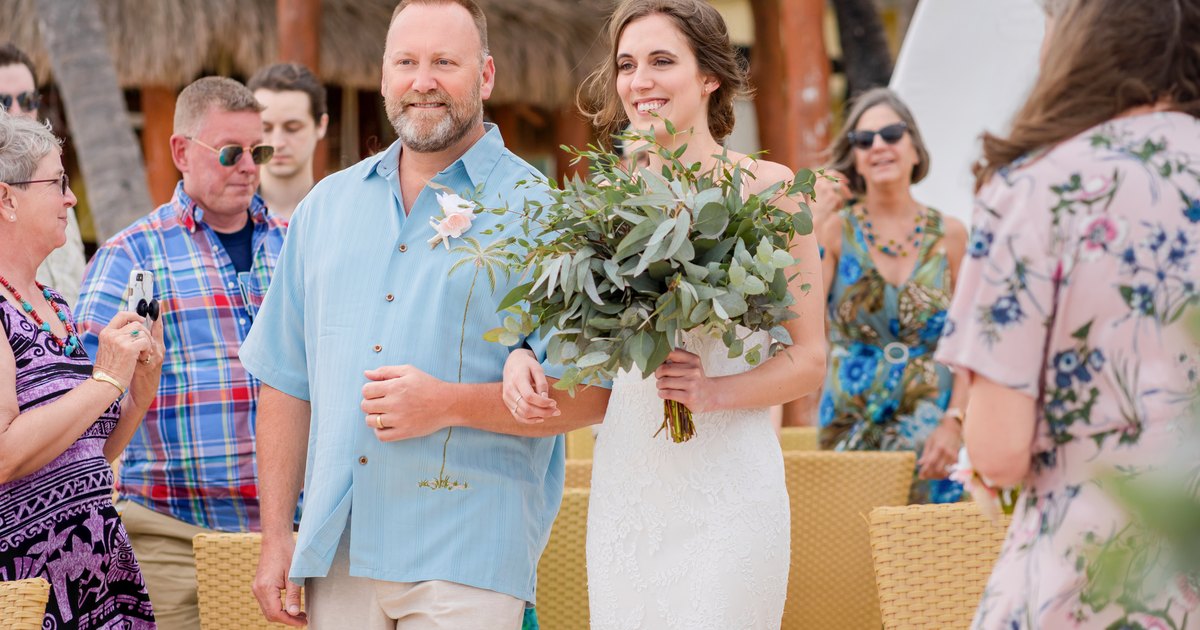
The Riviera Maya gets roughly 300 days of sunshine along 130 kilometers of Caribbean coast. Hire your photographer 12 to 18 months out for peak-season dates and build the ceremony around golden hour, which begins about 45 minutes before sunset; booking locally also saves the $1,500 to $3,000 cost of flying a photographer in.
You have picked the date, chosen the resort, and told your closest people to clear their calendars. Now comes the question that shapes how you will remember all of it: who is going to photograph your destination wedding in Riviera Maya, and how do you make sure the images actually feel like the day did?
Why Riviera Maya Is the Premier Destination Wedding Location
Riviera Maya stretches 130 kilometers along Mexico's Caribbean coast, from the southern edge of Cancún down through Playa del Carmen, Akumal, and into the jungle-fringed bohemian territory of Tulum. This is not a single beach, it is a corridor of distinct landscapes, each with its own light, mood, and photographic character.
What makes this coastline exceptional for weddings is the range of settings within a short drive. A beachfront ceremony on white sand with turquoise water as the backdrop. A cocktail hour in a cenote cavern where light streams through a limestone opening overhead. Portraits at golden hour on a cliffside ruin overlooking the sea. No other destination in the Caribbean offers this kind of visual diversity inside a single weekend.
The light here is different, too. The Caribbean coast faces east, which means sunrise ceremonies get direct, warm light off the water, and sunset sessions happen with the sun behind you, casting the softest, most flattering glow on faces while the ocean stays bright and saturated behind. For a wedding photographer in Cancún and the Riviera Maya, this eastern orientation is a significant advantage over Pacific-facing destinations where sunset means squinting directly into blinding light.
Average temperatures hover between 26°C and 32°C year-round, and the region receives roughly 300 days of sunshine per year. Even during the rainy season (June through October), storms typically arrive in brief late-afternoon bursts that clear within an hour, often leaving dramatic clouds that elevate sunset portraits to something extraordinary.

Best Wedding Venues in Riviera Maya for Photography
Not every stunning resort produces stunning wedding photos. The venue that looks incredible on a website tour may have a west-facing ceremony terrace that gets harsh backlight at 5 PM, or a reception room with orange downlighting that turns every skin tone muddy. Choosing a venue with photography in mind, not just aesthetics, makes a significant difference in your final gallery.
Tulum: Jungle Cenotes and Clifftop Terraces
Tulum's venues are the most visually dramatic in Riviera Maya. Clifftop ceremony spaces offer panoramic ocean views with the ancient Mayan watchtower visible in the distance. Jungle cenotes provide cathedral-like natural light filtering through overhead openings, creating ethereal underwater and above-water portrait opportunities. The combination of raw jungle, ruins, and coastline gives wedding photographers an extraordinary range of settings within a single property.
Playa del Carmen: Intimate Boutique Luxury
Boutique hotels along Playa del Carmen's Fifth Avenue offer something larger resorts cannot, privacy and architectural character. Hidden courtyards with bougainvillea-draped walls, rooftop terraces overlooking the Caribbean, and cobblestone pathways create intimate, European-feeling wedding environments. The scale is smaller, which translates to less visual clutter in photos and more flexibility with timing.
Akumal and Kantenah: Serene Beachfront
Akumal's calm, reef-protected bays offer the clearest, most consistently turquoise water along the entire coast. The beach is wider and less crowded than Cancún's Hotel Zone, and the palm-lined shoreline provides classic Caribbean framing for ceremonies and portraits. Several upscale resorts here have dedicated wedding terraces designed specifically for the region's prevailing light patterns.
Puerto Morelos: The Quiet Gem
Located between Cancún and Playa del Carmen, Puerto Morelos remains one of the coast's best-kept secrets. Its fishing-village character, uncrowded beaches, and proximity to the Mesoamerican Barrier Reef make it an exceptional choice for couples who want authenticity without sacrificing luxury. The smaller resort footprint means more flexibility for your photographer to use spaces creatively without competing with other events.

How to Plan Destination Wedding Photography from Abroad
Most couples planning a Riviera Maya wedding are coordinating everything from the United States or Canada, often without having visited their venue in person. Photography planning from a distance requires a different approach than a local wedding.
Start with Your Photographer, Not Just Your Planner
Hire your photographer 12 to 18 months before the wedding, especially if your date falls within peak season (November through April). A photographer with deep local knowledge does more than take photos. They can advise on ceremony timing based on actual light conditions at your specific venue, suggest portrait locations your planner might not know about, and coordinate directly with the resort's events team to ensure photography access to restricted areas.
Schedule a Virtual Planning Session
A 30-minute video call with your photographer replaces hours of email. Share your Pinterest boards, discuss your ceremony layout, talk through the timeline, and ask specific questions about your venue. An experienced local photographer will immediately identify potential issues: a ceremony time that conflicts with harsh overhead sun, a reception space that needs supplemental lighting, or a first-look location that will be crowded with other resort guests.
Coordinate with Your Wedding Planner
Your photographer and planner should be in direct communication, not relying on you as a middleman. The two most common timeline failures in destination weddings are insufficient time between the ceremony and reception for golden-hour portraits, and getting-ready photos that start too late because no one accounted for tropical humidity slowing hair and makeup.
If you are considering both photos and video, look at studios that offer both under one team, this simplifies logistics significantly. IVAE Studios, for example, handles both photography and cinematic videography for couples in Riviera Maya, which means one coordinated team instead of two separate vendors competing for the same moments.
Building the Perfect Wedding Day Photo Timeline
The difference between wedding photos that feel rushed and wedding photos that feel effortless almost always comes down to the timeline. Here is the framework our team uses for destination weddings in Riviera Maya:
Getting-Ready Coverage (2–3 Hours Before Ceremony)
Start photography during the final stages of hair and makeup. The photographer documents the dress, shoes, rings, invitation suite, and the quiet moments of anticipation. In tropical destinations, building in an extra 30 minutes is essential, humidity affects hair timing, and rushing creates visible stress in photos.
First Look or Pre-Ceremony Portraits (60–90 Minutes Before)
If you choose a first look, schedule it in open shade, under a palapa, in a resort corridor, or beneath a large tree. This avoids the harsh midday sun while preserving the emotional authenticity of the moment. First looks also allow you to complete the majority of formal family portraits before the ceremony, freeing your golden-hour window for just the two of you.
Ceremony (30–45 Minutes)
Your photographer works with multiple angles, capturing both wide-establishing shots and intimate close-ups. In outdoor Riviera Maya ceremonies, wind is a constant factor, an experienced photographer knows how to use flowing veils and dress movement as compositional elements rather than fighting them.
Golden Hour Portraits (30–45 Minutes)
This is the window that produces the most iconic images of your wedding day. In Riviera Maya, golden hour begins approximately 45 minutes before sunset. The light turns amber, shadows go soft, and the ocean shifts from turquoise to deep gold. Protect this time fiercely in your timeline, it cannot be recreated.
Reception Coverage (3–4 Hours)
First dance, speeches, cake cutting, and the spontaneous moments between them. As the evening progresses, your photographer adapts to changing light conditions, from the last traces of twilight through full nighttime reception lighting. The best reception coverage captures not just events but energy: the dance floor in motion, guests laughing, the quiet moment when the couple steals a glance across a crowded room.

Light, Weather, and Seasons: What You Need to Know
Understanding how light and weather behave across seasons in Riviera Maya is one of the most overlooked aspects of wedding planning, and one of the most impactful on your final photos.
Peak Season (November – April)
Clear skies, lower humidity, and temperatures between 24°C and 30°C. Sunset occurs between 5:30 PM (December) and 7:00 PM (April). This is the most predictable season for photography, with consistent golden-hour quality. The trade-off: higher resort prices, more crowded beaches, and photographers book up earliest.
Shoulder Season (May – June, October)
A strategic choice for couples who want peak-season quality at lower prices. May and June offer some of the year's best light conditions, longer days, dramatic cloud formations, and water at peak clarity. October marks the tail end of the rainy season with reduced pricing and lush, vibrant vegetation.
Rainy Season (July – September)
Not as problematic as the name suggests. Rain typically arrives in intense but brief afternoon showers, usually between 3:00 PM and 5:00 PM. Morning ceremonies are almost always clear. Sunset light after a rain shower can produce the most spectacular skies of the year, deep oranges, dramatic clouds, and colors that a clear-sky sunset simply cannot match. An experienced couples photographer in Cancún knows how to adapt to and capitalize on these conditions.
What to Wear for a Destination Wedding in the Tropics
Your outfit choice has a direct impact on how your photos look and how comfortable you feel in them. The Caribbean climate demands specific considerations that differ from a traditional wedding.
For the Bride
Choose lightweight, breathable fabrics: chiffon, organza, and crepe move beautifully in the ocean breeze and photograph dramatically in golden-hour light. Avoid heavy ball gowns, beaded bodices, or thick layers of tulle, they trap heat and limit movement on sand. A-line and sheath silhouettes work exceptionally well. Consider a shorter hemline or a dress with a detachable train for beach mobility. Veils create incredible motion shots but can be challenging in heavy wind, a cathedral veil with a comb (not pins) allows your photographer to capture ethereal movement without constant readjustment.
For the Groom
Linen suits, cotton-blend dress pants, and rolled sleeves look effortlessly sharp in this setting. Avoid dark wool suits, they absorb heat and show sweat stains. Light neutrals (tan, ivory, light gray, navy) complement the natural color palette. Leather-soled shoes sink in sand; consider high-quality loafers or go barefoot. A loose collar or unbuttoned vest creates a relaxed editorial look that matches the destination atmosphere.
Color Palette for the Entire Party
Neutral and earth tones (ivory, champagne, sage, dusty rose, soft terracotta) photograph beautifully against the turquoise-and-sand backdrop without competing with it. Avoid neon colors, stark white (it overexposes against bright sand), and heavy patterns that distract the eye. Coordinated but not matching bridesmaids dresses in complementary tones create the most elegant group portraits.
How to Choose the Right Destination Wedding Photographer
Not all wedding photographers are destination wedding photographers. The skill set is different, the logistics are different, and the ability to adapt to unpredictable outdoor conditions in a tropical climate requires specific experience.
Look for Local Knowledge, Not Just a Portfolio
A photographer based in the Riviera Maya knows the light patterns at your specific resort, the names of the coordinators, the best hidden locations on the property, and which beaches have the clearest water in which season. They also handle their own permits, have backup equipment locally, and can adapt in real time when weather or logistics shift. Flying in a photographer from another country adds $1,500 to $3,000 in travel costs and introduces significant logistical risk.
Review Full Galleries, Not Just Highlights
Any photographer can curate 20 stunning images. Ask to see a complete gallery from a single wedding. Consistency from the getting-ready suite to the dance floor tells you whether the photographer can sustain quality across changing conditions, which is exactly what a Riviera Maya wedding demands.
Ask About Delivery and Communication
Destination wedding couples are often on flights within 48 hours of their wedding. Ask about delivery timelines, how the gallery is shared, and whether you will have a dedicated planning session before the wedding. Responsiveness during the planning phase is the strongest predictor of responsiveness on the wedding day.
Consider Photo and Video Together
A single team handling both photography and videography means coordinated coverage with zero competition for key moments. Both shooters know each other's positions, share lighting setups, and work from a unified creative vision, which translates to a more cohesive memory of your day. For destination weddings where vendors are limited and logistics complex, this combined approach is increasingly the preferred choice among discerning couples.
Why IVAE Studios for Your Riviera Maya Wedding
IVAE Studios is a luxury photography and cinematography studio based in Cancún, specializing exclusively in destination weddings, couples, and family sessions across the Riviera Maya, Tulum, and Los Cabos. Our team brings deep local expertise, knowledge of every resort's policies, every season's light, and every hidden location that turns a good photo into an iconic one.
With over 500 sessions across the region, the studio operates with a distinctive editorial approach: clean, intentional, and designed to feel timeless rather than trendy. Every session is directed with precision, from outfit guidance and timeline planning to real-time posing that feels natural, not forced.
Galleries are delivered within 1 to 3 business days through a private online gallery designed for sharing with family and guests worldwide. The studio serves clients primarily from the United States and Canada, with full bilingual communication in English and Spanish from the first inquiry through final delivery.
If your destination wedding is planned for Riviera Maya, Cancún, Tulum, or anywhere along the Yucatán coast, and you want photography that makes you stop and feel something every time you open the gallery, this is what we do.