

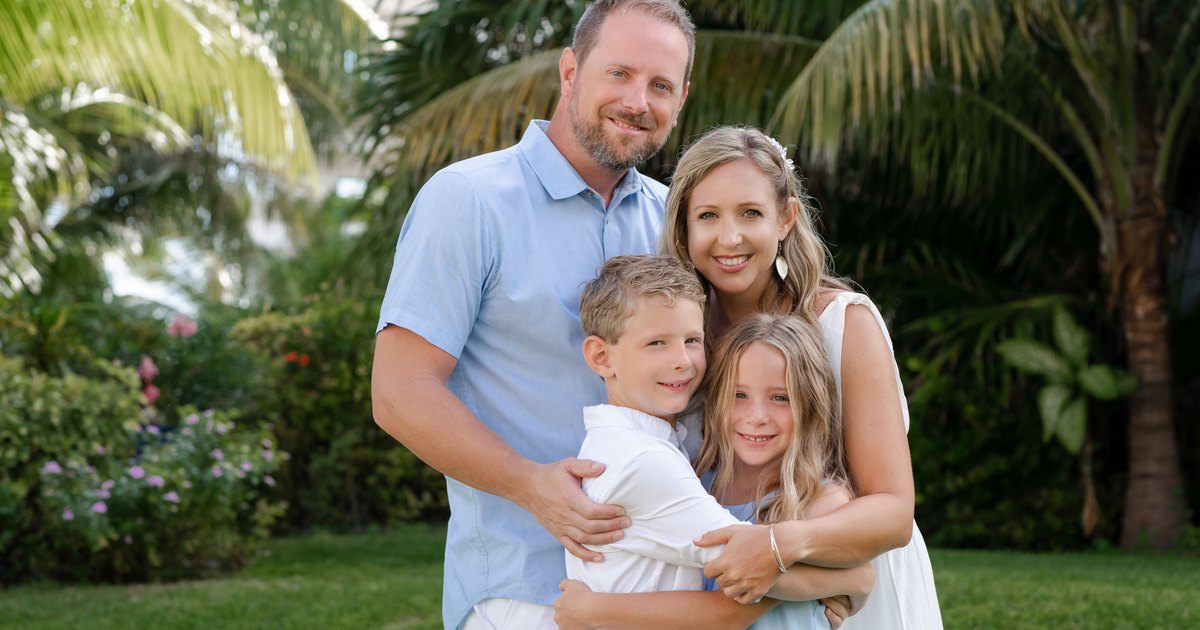
Plan a 60 to 90 minute session timed to golden hour, which begins about 45 minutes before sunset, around 4:45 PM in a Cancún winter and after 6:15 PM in summer. With toddlers, keep it to 45 to 60 minutes and schedule around naps; rainy-season showers usually clear within 30 to 60 minutes.
You have spent months coordinating schedules, comparing resorts, and building anticipation for a family trip that everyone will remember. The resort is booked. The flights are confirmed. But the one thing most families overlook, until it is too late, is how they will preserve the way this trip actually felt. Professional family vacation photos in Mexico transform a week of togetherness into a permanent record of who your family was in this exact, unrepeatable moment.
Why Luxury Resort Family Photos Are Worth the Investment
Family vacations in Mexico are not inexpensive. Between flights, resort fees, excursions, and dining, most families invest several thousand dollars in a single week of travel. Yet the visual record of that trip, the proof that it happened, the evidence of how small the children were, how your family looked and felt together in that particular year, often comes down to a handful of hastily composed phone photos where someone is always squinting, someone is always looking away, and no one is ever all in the same frame at the same time.
A professional family session changes that equation entirely. In 60 to 90 minutes, an experienced family photographer in Cancún captures the dynamics that make your family yours: the way your toddler reaches for your hand without thinking, the way your teenager rolls her eyes and then breaks into a real laugh, the way you and your partner look at each other when you think no one is watching. These are the images that end up framed on walls, sent to grandparents, and revisited on anniversaries for decades.
The investment in professional family vacation photos in Mexico typically represents a fraction of the overall trip cost, and it is the only part of the vacation that literally lasts forever. Resort memories fade. Sunburns heal. But a gallery of intentionally composed, beautifully lit images of your family against the Caribbean Sea becomes more valuable with every passing year, because your children will never be this age again.
Best Age for Family Photos: Tips by Age Group
There is no wrong age for family photos. There is only a wrong approach for a given age. The families who leave their sessions happiest are the ones whose photographer understood their children's developmental stage and designed the session around it, rather than imposing a one-size-fits-all formula.
Toddlers (Ages 1 to 3)
Toddlers are unpredictable, fast, and allergic to sitting still, and that is precisely what makes them extraordinary to photograph. The secret is abandoning any expectation of posed perfection. The best toddler images come from movement: a child running toward the waves, picking up a shell, being swung between two parents, or sitting in the sand with the kind of focused intensity that only a two-year-old can summon. Sessions with toddlers should be shorter, 45 to 60 minutes maximum, and timed carefully around nap and meal schedules. Our team builds in flexibility because a toddler who melts down at minute 20 might be radiant again by minute 35 after a snack and a few minutes of free play.
Young Kids (Ages 4 to 7)
This is the golden window for family photography. Children in this age range are old enough to follow gentle direction, walk toward the water, hold your sister's hand, look at Mom, but young enough to still be wonderfully unselfconscious. They laugh easily, play naturally, and have not yet developed the awkward self-awareness that can make older children stiffen in front of a camera. Games work beautifully at this age: races on the beach, tickle attacks, piggyback rides, and treasure hunts produce genuine expressions that no amount of direction can manufacture. Our team uses these natural interactions to create family portraits that feel alive rather than staged.
Tweens (Ages 8 to 12)
The tween years require a slightly different approach. Children in this age group are developing their own identity and may feel awkward about being told exactly how to stand and where to look. The key is respect: giving them some autonomy within the session, acknowledging that they are individuals, and mixing structured family portraits with moments where they can simply be themselves. Candid shots of a tween exploring tide pools, walking ahead of the family on the beach, or sharing a private joke with a sibling often become the most treasured images in the entire gallery. Our team photographs tweens as young people with their own personality, not as props in a family arrangement.
Teens (Ages 13 and Up)
Teenagers are the age group most likely to resist a family photo session, and most likely to appreciate it later. The approach that works best is treating teens as collaborators rather than subjects. Our team often starts by photographing the teenager individually for a few minutes, letting them see that the process is not embarrassing and that the results actually look good. Once a teen sees a few images on the camera screen and realizes they look genuinely cool, the resistance dissolves. Mixed-generation pairings work particularly well with families that include teens: father and daughter walking on the beach, mother and son laughing together, the teenager holding a much younger sibling. These images become increasingly meaningful as the years pass and the family dynamic shifts.

What to Wear: Family Wardrobe Coordination for Mexico
Wardrobe is one of the most common sources of stress before a family photo session, and it does not need to be. The guiding principle is simple: coordinate without matching. A family dressed in identical white shirts and khaki shorts looks dated before the session even begins. A family dressed in complementary tones, a shared color palette rather than a shared outfit, looks intentional, elegant, and timeless.
For the Mexican coast, neutral and earth tones photograph beautifully against the turquoise water and white sand. Start with a base palette of two or three colors: ivory and sage, cream and dusty blue, tan and soft terracotta, white and warm taupe. Let each family member choose pieces within that palette that suit their personal style. Children should wear something they can move freely in, a linen romper, cotton shorts and a simple tee, a comfortable sundress. Parents often look best in lightweight linen or cotton that breathes in the tropical heat and moves naturally in the ocean breeze.
Avoid logos, heavy patterns, neon colors, and graphic text on clothing. These elements date photographs instantly and draw the eye away from faces and expressions. Avoid pure black, which absorbs light and creates a visual hole in tropical settings. Stark white can overexpose against bright sand, so off-white, ivory, or cream is a safer and more flattering choice.
Accessories should be minimal and intentional. A straw hat, a simple gold bracelet, bare feet on the sand, these add character without clutter. For children, let them go barefoot. For parents, simple sandals or bare feet work best on the beach. If your session includes a resort location, a slightly more polished look, a linen blazer for Dad, a flowing midi dress for Mom, creates beautiful contrast with the more relaxed beach segment.
Golden Hour Timing by Season in Cancún & Riviera Maya
The quality of light is the single most important variable in outdoor family photography, and in the tropics, the difference between good light and harsh light can be as little as 30 minutes. Understanding golden hour schedules at your destination is essential for planning a session that produces the warm, luminous, magazine-quality images you are imagining.
Winter (December through February)
Sunset occurs between 5:30 PM and 5:50 PM in Cancún and the Riviera Maya during the winter months. Golden hour, the window of warm, directional light that produces the most flattering skin tones and the most dramatic skies, begins approximately 45 minutes before sunset, around 4:45 PM. Winter light in the Yucatán is particularly beautiful: lower sun angles create longer shadows and warmer color temperatures, and the dry season means fewer clouds to obstruct the light. Sessions during this period should be scheduled to begin no later than 4:30 PM to capture the full range of golden hour conditions.
Spring (March through May)
Sunset shifts later, occurring between 6:00 PM and 7:15 PM as daylight saving time takes effect in early April. The spring months offer excellent conditions for family sessions: warm but not oppressive temperatures, reliable sunshine, and a gradual lengthening of the golden hour window. This is peak booking season for a Cancún photographer, so advance planning is essential.
Summer (June through August)
The latest sunsets of the year fall in this window, with golden hour beginning around 6:15 PM and sunset occurring near 7:30 PM in late June. Summer sessions benefit from extended evening light, but humidity is at its peak and brief afternoon rain showers are common. The advantage of summer scheduling is that children traveling during school break are often more relaxed and better rested than during a compressed winter holiday. The dramatic post-storm skies that frequently appear after a brief summer rain produce some of the most spectacular backdrops of the entire year.
Fall (September through November)
Sunset returns to the 5:30 PM to 6:15 PM range. September and October remain within the rainy season, but showers are predictable and typically clear within 30 to 60 minutes. November marks the transition to the dry season and is one of the most underrated months for family photography in the region, warm water, comfortable temperatures, fewer crowds, and consistently beautiful light.
Destinations Compared: Cancún vs Riviera Maya vs Los Cabos
Mexico offers three premier resort corridors for families, each with a distinct visual character and practical considerations that affect the photography experience.
Cancún
The Hotel Zone's 22-kilometer strip concentrates dozens of luxury all-inclusive resorts along a continuous stretch of white sand beach facing the Caribbean. For families, the logistical advantage is significant: everything is close, transportation is simple, and the beach is consistently wide and visually dramatic. The turquoise water photographs unlike anything else in the hemisphere. Cancún works best for families who want a straightforward, stress-free session at or near their resort with iconic Caribbean backdrops. Our Cancún photography team knows the precise timing and angles at every major property along the strip.
Riviera Maya
Stretching from Puerto Morelos south through Playa del Carmen to Tulum, the Riviera Maya offers the widest variety of backdrops in a single region: jungle, cenotes, Mayan ruins, boutique beach clubs, and intimate coves framed by natural rock formations. For families who want visual variety, a beach session combined with a cenote or jungle location, the Riviera Maya is unmatched. The trade-off is slightly more travel time between locations, which requires careful scheduling when children are involved. Tulum, at the southern end, provides the most distinctive and editorial backdrops, but is 90 minutes from Cancún airport, making it best suited for families already staying in the area.
Los Cabos
On the Pacific side of Mexico, Los Cabos offers a dramatically different landscape: desert meets ocean, with golden sand, rugged rock formations, and expansive Pacific sunsets that are visually unlike anything on the Caribbean coast. The light quality in Cabo is extraordinary, dry desert air produces crisp, clean images with remarkable color saturation. Los Cabos works beautifully for families who want a more dramatic, earthy aesthetic. The Pacific coast's west-facing orientation means sunset sessions are shot directly toward the sun as it drops into the ocean, creating silhouettes and backlit imagery that is difficult to replicate on the east coast.

How to Prepare Kids for a Photo Session
The difference between a stressful family session and a joyful one almost always comes down to preparation, not of the photographer, but of the children. A few simple strategies eliminate the most common sources of friction and set the stage for images that reflect how your family actually feels together.
Schedule Around Nap Time, Not Through It
This is the single most important piece of advice for families with children under five. A well-rested child is a cooperative child. If your toddler naps from 1:00 to 3:00 PM, do not schedule a 2:30 session hoping they will push through. Schedule a 4:30 session after they have woken up, had a snack, and re-entered the world on their own terms. Golden hour sessions naturally align with post-nap energy for most young children, which is one of many reasons sunset shoots work so well for families.
Bring Strategic Snacks
A small bag of preferred snacks, goldfish crackers, fruit pouches, string cheese, serves as both fuel and morale booster. Our team builds natural snack breaks into family sessions, using them as reset moments when energy dips. A child who was fading at minute 25 often returns with renewed enthusiasm after a two-minute snack pause. Avoid anything that stains, no berries, no popsicles, no chocolate, and bring enough for siblings to share without conflict.
Bring One Comfort Item
A favorite stuffed animal, a beloved hat, or a special toy can serve as a bridge between the familiar and the unfamiliar. For younger children especially, having something from home in a new environment provides security. These items also create beautiful photographic moments, a child clutching a stuffed bear while watching the waves, a toddler wearing an oversized sun hat, that feel authentic and personal rather than generic.
Set Expectations Without Pressure
Tell your children about the session in advance, but frame it as an adventure rather than an obligation. "We are going to play on the beach with a friend who has a camera" works better than "We are doing family photos and you need to smile and behave." Children who feel pressured to perform produce forced expressions. Children who feel free to explore produce genuine ones.
What to Expect During Your Session with IVAE Studios
If your previous experience with professional photography involves stiff poses, forced smiles, and a photographer counting to three, the IVAE approach will feel entirely different.
Every family session begins with a pre-session consultation where our team learns about your family: how many children, their ages and temperaments, your wardrobe plans, the locations and backdrops that matter most to you, and any specific groupings or images you want to prioritize. This conversation typically happens via direct message or email in the days leading up to your session, so when the actual day arrives, the plan is already in place.
On location, the session starts with natural, low-pressure activity, walking on the beach, exploring the resort grounds, letting the children acclimate to the environment and the photographer's presence. Our team uses gentle direction rather than rigid posing: "Walk toward the water together," "Whisper something funny to your daughter," "Pick him up and spin him around." The goal is guided spontaneity, creating conditions where real moments happen, then capturing them with precision.
A typical luxury family session runs 60 to 90 minutes and includes a mix of structured family portraits, candid interaction, and individual or small-group combinations, parents together, siblings together, each child alone. The photographer manages everything: positioning, lighting, transitions between spots, and the pacing of the session to match the children's energy levels.
Galleries are delivered within 1 to 3 business days through a private online gallery. Every image is professionally edited with a consistent, timeless aesthetic, clean, luminous, true to color, designed to look as current in 20 years as it does today. Our team avoids trendy filters, heavy saturation, and aggressive processing that dates imagery within a few seasons. What you receive is a complete visual narrative of your family in one of the most beautiful settings on earth.