

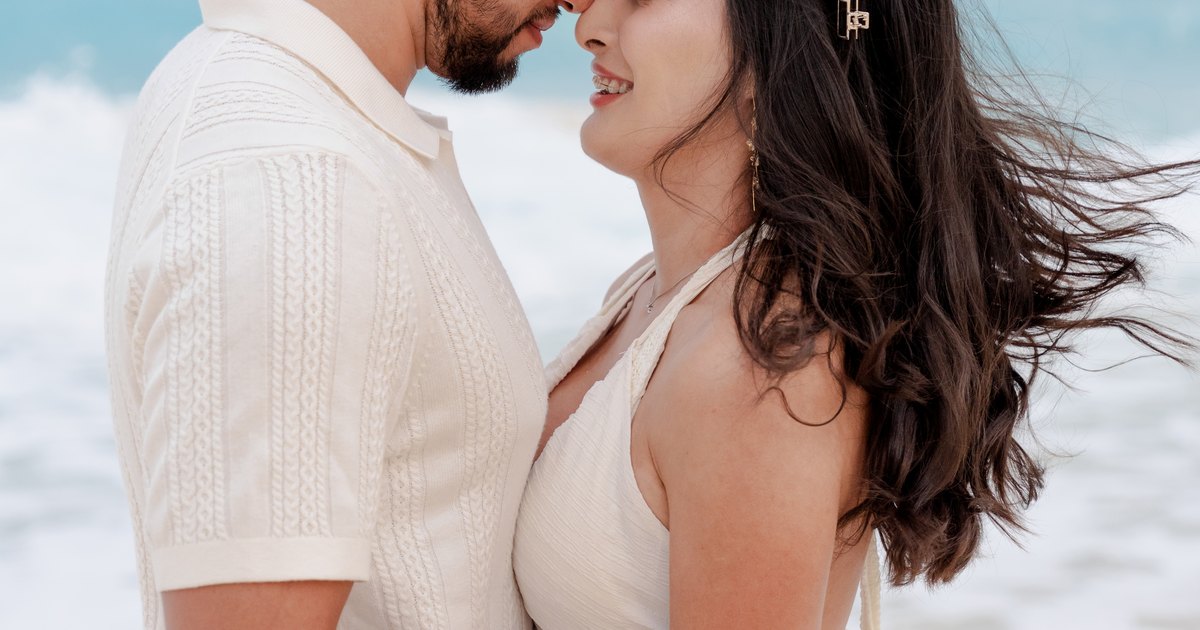
The photographer arrives 45 to 60 minutes early, shoots from 30 to 50 meters away with a 200mm to 400mm telephoto, and captures the yes in burst mode. The 15 to 20 minutes right after the answer produce the most authentic portraits, so add a 30-minute engagement session while the light and adrenaline hold.
You have the ring. You have the trip booked. You know exactly what you want to say. The only question left is whether the most important moment of your relationship will be preserved in images that do it justice, or lost to a shaky phone video taken by a stranger. This guide covers everything you need to plan a flawless surprise proposal in Cancún or Riviera Maya, from choosing the right location to coordinating with a hidden photographer who captures every genuine reaction without ever being detected.
Why Mexico Is the Ultimate Destination for Surprise Proposals
There is a reason Mexico consistently ranks as the most popular international destination for surprise proposals among couples traveling from the United States and Canada. The combination of natural beauty, logistical ease, and emotional atmosphere creates conditions that are almost impossible to replicate elsewhere.
The Caribbean coastline of the Yucatán Peninsula delivers a visual backdrop that requires no decoration and no staging. Turquoise water so vivid it looks retouched in person. White sand beaches that stretch for miles without a single power line or commercial building in the frame. Sunsets that shift through amber, coral, and deep violet in the span of twenty minutes. When you drop to one knee in front of this scenery, the photographs tell a story that needs no explanation.
Privacy is the other critical factor. Unlike proposing in a crowded city restaurant or a public park back home, a beach proposal in Mexico offers genuine seclusion even in popular areas. The Hotel Zone in Cancún stretches 22 kilometers, and most beaches have long stretches where you can be completely alone at golden hour. The Riviera Maya offers even more secluded options, private cenotes, hidden beach coves, and resort terraces designed specifically for moments like this. As a dedicated Cancún photographer, our team knows every quiet corner of this coastline.
There is also a practical advantage that most couples overlook: when you propose during a vacation, the element of surprise is genuinely protected. Your partner already has a reason for the trip. There is no suspicious dinner reservation at a restaurant you never visit, no unexplained detour to a scenic overlook. The vacation itself is the cover story, and it is completely believable.
Best Proposal Locations in Cancún & Riviera Maya
Beach Sunset at Playa Delfines
Playa Delfines sits at the southern tip of the Cancún Hotel Zone and offers the most dramatic beachfront proposal setting in the area. The beach is slightly elevated above the waterline, creating a natural stage with unobstructed ocean views in every direction. At golden hour, roughly 5:00 PM in winter, 6:45 PM in summer, the light turns warm and directional, illuminating faces while the Caribbean behind you holds its turquoise intensity. The wide, open beach gives a proposal photographer multiple angles for concealed positioning, and the famous Cancún sign provides an instantly recognizable landmark for establishing shots. Because it is a public beach, there are no access fees or permits required.
Playa Norte, Isla Mujeres
A 20-minute ferry ride from Cancún transports you to an entirely different atmosphere, quieter, more intimate, with the relaxed energy of a small Caribbean island. Playa Norte faces west, which means the sun sets directly over the water, producing the most photogenic sunset conditions anywhere in the Cancún region. The shallow, calm water extends far from shore, allowing knee-deep proposal moments with the sunset reflected on the surface around you. The combination of the ferry journey and the island setting adds a layer of adventure to the narrative that photographs carry beautifully.
Cenote Suytun
For couples who want something entirely unlike a traditional beach proposal, Cenote Suytun offers a location that feels almost sacred. A circular stone platform sits at the center of a partially enclosed cenote, with a single beam of natural light streaming through the ceiling opening and illuminating the turquoise water below. The visual drama is extraordinary, cathedral-like stone walls, crystalline water, and a natural spotlight that makes every photograph feel like a Renaissance painting. Private access bookings are available through local operators, giving you complete seclusion for the moment.
Private Villa Terrace
Luxury private villas along the Riviera Maya coastline, particularly in Playa del Carmen, Puerto Morelos, and the stretch between Tulum and Sian Ka'an, offer rooftop terraces and infinity pools with unobstructed ocean views. A villa proposal allows complete control over the setting: candles, flower petals, a private chef preparing dinner in the background, a musician playing on the terrace. Our team coordinates with villa staff to position everything before you arrive and to ensure the photographer is already in place, appearing to be part of the property team.
Resort Restaurant Terrace
Many luxury resorts in the Hotel Zone and along the Riviera Maya offer semi-private dining terraces with ocean views that are ideal for proposal moments. The advantage is infrastructure, lighting, seating, service, and a controlled environment where weather and crowd variables are minimized. Our team has relationships with concierge teams at dozens of properties across the region. We coordinate the table placement, the timing of the moment relative to the meal, and the photographer's position, often disguised as a resort photographer or positioned at an adjacent terrace with a telephoto lens.

How the Photographer Stays Hidden
The entire value of surprise proposal photography depends on one thing: your partner cannot know the photographer is there. This is not a minor detail, it is the defining technical and logistical challenge of every proposal session, and it is the reason you need a photographer who has done this dozens of times before, not someone attempting it for the first time.
Telephoto Lens Strategy
Our team uses telephoto lenses in the 200mm to 400mm range, which allow sharp, intimate images from 30 to 50 meters away. At that distance, a photographer is simply another person on the beach or another guest at the restaurant. The compression effect of a telephoto lens also produces a more cinematic, editorial quality, backgrounds soften beautifully, isolating the two of you in the frame while the ocean or sunset becomes a painterly wash of color behind you.
The Casual Tourist Disguise
Appearance matters. Our photographers dress to match the environment, casual resort wear on the beach, smart-casual for restaurant settings, tourist attire with a daypack at cenotes. The camera stays in a bag or under a towel until the final moments before the proposal. To anyone glancing over, the photographer looks like a vacationer taking photos of the scenery. We avoid tripods, external flashes, and any visible professional equipment that would draw attention.
Venue Staff Coordination
At resorts and restaurants, our team coordinates directly with the venue's events or concierge team. Staff members help by ensuring the photographer has access to the right vantage point, that no one walks into the shot at the critical moment, and that any special arrangements, flowers, champagne, musicians, appear at exactly the right time. This coordination happens days in advance, not on the morning of the proposal.
Positioning Strategy
Before every proposal, our team scouts the exact location at the exact time of day the proposal will happen. We identify the photographer's position based on the sun angle (we always shoot with the light, never into it), the background, potential obstructions, and escape routes for repositioning after the initial moment. The proposing partner receives a specific instruction: face your partner toward a particular direction, so the photographer has a clear angle on both faces. This single piece of direction, delivered naturally as "let's walk this way" or "come look at this view", is the only coordination required from you in the moment.
Planning Timeline: What to Coordinate and When
A surprise proposal is a single moment, but planning it well takes four weeks of deliberate coordination. Rushing the timeline introduces variables that compromise the result. Here is the sequence our team follows with every client.
Four Weeks Before: Book Your Photographer
Contact a proposal photographer and secure your date. During the initial consultation, share your travel dates, your preferred location (or let the photographer recommend one), any decoration or vendor ideas, and, critically, your partner's personality. Is she observant and likely to notice someone with a camera? Does he tend to look around constantly or stay focused on you? These details shape the concealment strategy. At this stage, the photographer also confirms availability and begins preliminary location research.
Two Weeks Before: Scout the Location
The photographer visits the proposed location at the same time of day your proposal will occur. This scouting session confirms the light angle, identifies the best photographer position, notes any obstacles (construction, vendor kiosks, high-traffic zones), and establishes a primary and backup spot. If you have requested decorations or vendors, those logistics are confirmed during this window. You receive a detailed plan, including a map showing exactly where to walk, where to stop, and which direction to face.
One Week Before: Confirm Every Detail
A final coordination call covers the exact timeline for the day: what time you leave your hotel, what time you arrive at the location, the signal you will use to indicate you are about to propose (adjusting your hat, checking your phone, a specific phrase), and the contingency plan if your partner suggests a change of plans. If vendors are involved, florist, musician, private chef, each receives a final confirmation with timing accurate to the minute.
Day Of: Final Coordination
The photographer arrives at the location 45 to 60 minutes before you do. Equipment is tested, the position is confirmed, and a final check of conditions (weather, crowd level, lighting) is completed. You receive a text message confirming everything is in place. From that point, you simply walk to the location with your partner, deliver the moment naturally, and trust that every second is being captured from a distance.

Ring Shot Tips and Celebration Photos
The proposal itself lasts seconds. The ring shot and celebration photos that follow extend the story and often become the images couples share most widely.
The Ring Shot
After the proposal, our team transitions from concealed to visible, this is the moment the photographer introduces themselves, and the surprise is complete. The first priority is a dedicated ring photograph. Using a macro lens, the ring is captured in detail against a natural backdrop: resting on a coral stone, held between intertwined fingers with the ocean behind, or placed on a tropical flower. The best ring shots use the golden-hour light as a natural backlight, creating a warm glow around the diamond or gemstone. If you have the ring box, bring it, the open box against a sandy or botanical background is a classic detail shot that anchors the story.
Golden Hour Celebration Portraits
The 15 to 20 minutes immediately after a proposal produce the most emotionally authentic portraits of any session type. The adrenaline is still present, the joy is unfiltered, and the self-consciousness that normally takes time to overcome in a photoshoot simply does not exist. Champagne toast shots are a natural addition, the act of popping a bottle, pouring, and toasting gives the couple something to do with their hands, creating dynamic images that feel celebratory without being staged. Our team always brings a chilled bottle of champagne as part of the proposal package.
Capturing Genuine Reactions
The seconds immediately after the word "yes", the embrace, the tears, the laughter, the moment when realization fully sets in, are photographed continuously in burst mode. Our team captures these from multiple angles, transitioning from the telephoto position to a closer, more intimate distance as the couple becomes aware of the photographer. These transition frames, shot between 10 and 20 meters, often contain the most powerful expressions because the couple is still processing the moment rather than performing for the camera.
Turning a Proposal Into a Mini Engagement Session
The single best decision you can make when booking surprise proposal photography is adding a 30-minute engagement session immediately after the moment. The logic is simple: you are already at a stunning location, the light is perfect, you are both dressed well, and the emotional energy between you is at a level that no scheduled session could ever replicate.
A mini engagement session extends the proposal coverage into a full portrait experience. Our team guides you through relaxed, editorial-style poses, walking hand in hand along the waterline, sitting together on a rocky outcrop, standing silhouetted against the fading sunset. The direction is gentle and minimal, because after a proposal, most couples are already radiating exactly the kind of connection that makes extraordinary photographs. For couples planning a wedding, these images often become the engagement portraits used for save-the-dates, wedding websites, and framed prints.
The transition from proposal to engagement session is seamless. There is no awkward reset, no change of location required (though you can move to a nearby second spot if you prefer), and no loss of momentum. The photographer simply shifts from documentary mode to editorial mode, and the session flows naturally for another 30 minutes while the light continues its descent.
Most couples who skip the engagement session and try to book one separately later discover that the energy is different. It is still a beautiful session, but the raw, unguarded emotion of the proposal day is impossible to recreate. When a couple's first experience in front of a professional camera is the moment they just got engaged, the images carry an authenticity that planned sessions rarely achieve. Explore our full guide on couples photography in Cancún for more on what makes these sessions special.
Weather Backup Plans
The Caribbean coast of Mexico has two distinct seasons that affect proposal planning: the dry season (November through May) and the rainy season (June through October). Understanding both allows you to plan confidently regardless of when your trip falls.
Dry Season: November Through May
This is peak season for proposals and the most predictable weather window. Skies are consistently clear, humidity is lower, and the chance of rain disrupting an outdoor event is minimal. The trade-off is higher tourist volume at popular locations, which is why our scouting process identifies precise timing windows when specific beaches are least crowded. Sunset proposals during dry season are the highest-confidence option for an outdoor beach moment.
Rainy Season: June Through October
Rain season does not mean constant rain. It means brief, intense afternoon showers, typically lasting 30 to 60 minutes, followed by clearing skies that often produce the most dramatic sunset colors of the year. The key is flexibility. Proposals scheduled during rainy season include a two-hour buffer window: if a shower arrives at 5:00 PM, we shift to 6:30 PM when the skies have cleared and the post-storm light is extraordinary. Hurricane season peaks in September and early October, and while direct hits are rare, our team monitors tropical weather systems and proactively communicates schedule adjustments.
Indoor Alternatives
Every outdoor proposal plan includes a fully developed indoor backup. Options include covered resort terraces with ocean views, cenotes with natural overhead shelter, private villa interiors with floor-to-ceiling windows, and upscale restaurant private dining rooms. The indoor alternative is not an afterthought, it is planned with the same attention to lighting, photographer positioning, and aesthetic quality as the primary outdoor plan. In many cases, the "backup" location produces images that are equally stunning, simply in a different register.
Flexible Rescheduling
If weather conditions make both the primary and backup locations unworkable, which happens perhaps two or three times per year during peak hurricane season, our team offers full rescheduling at no additional cost. The proposal is moved to the next available day within your travel window. If your trip does not allow flexibility, we work with you on a date change well in advance based on long-range forecasts.